We’ve talked about some of the great remote features that home buyers can use during these times. We want to reassure you that there are also steps that people in the real estate world are taking to help people selling their homes. Today we’re going to talk about how we are working to help you sell your home while practicing safe, social distancing practices.
Virtual Home Viewing
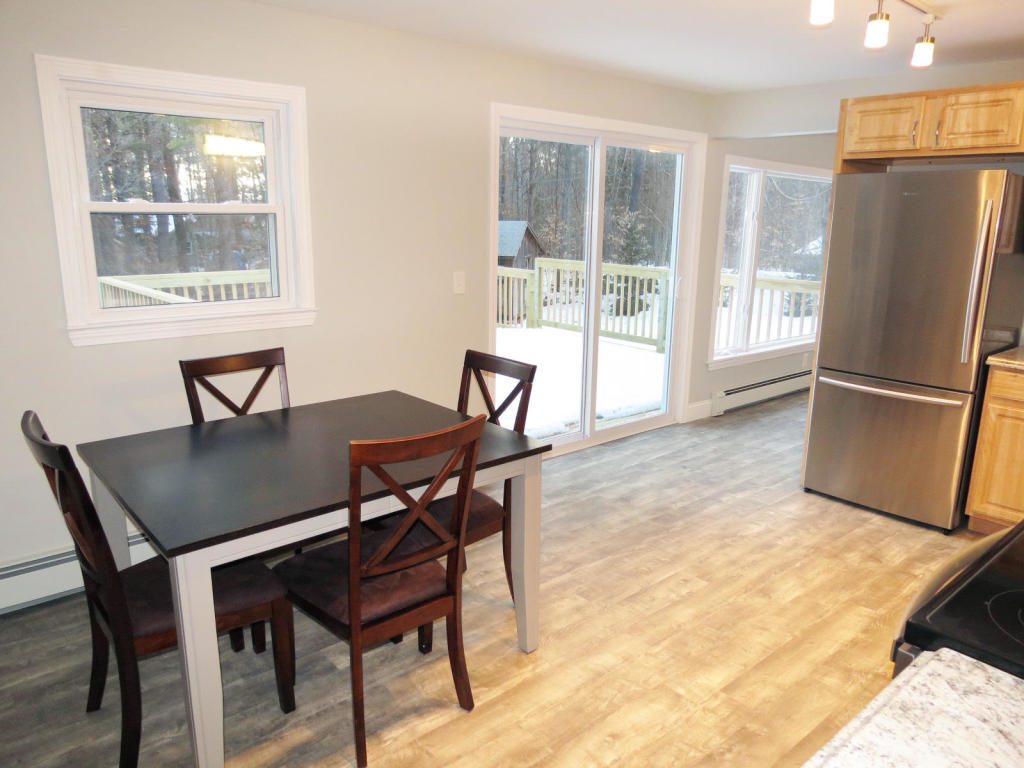
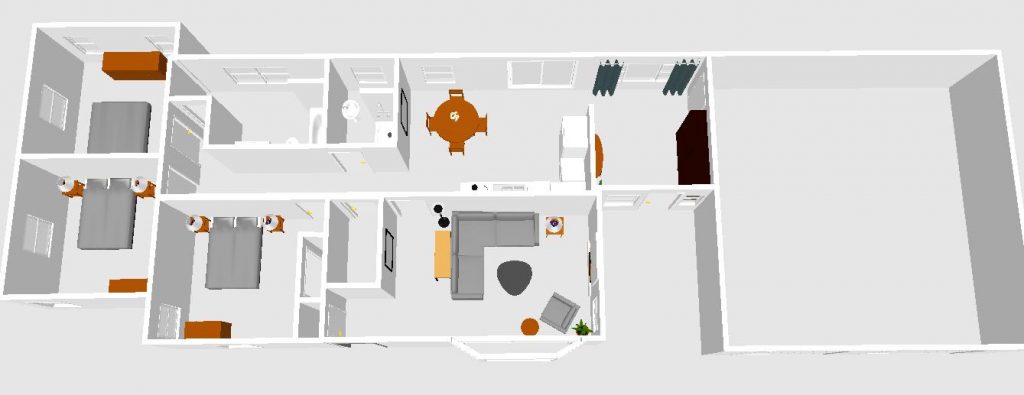
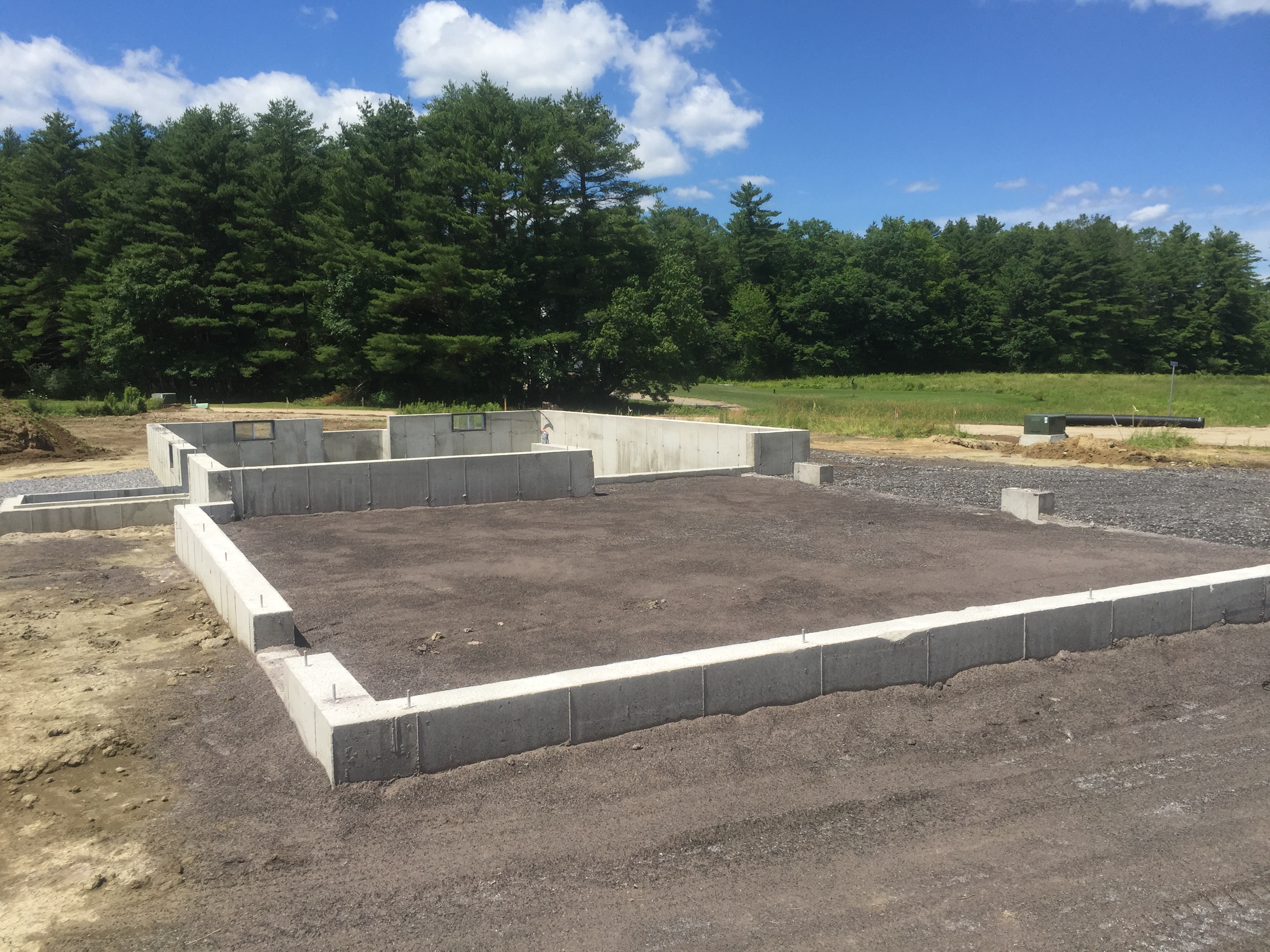
As we’ve talked about in this blog, we can use these same remote features to help sell your home. Aerial photos help explain the exterior and surrounding land for your property. Beyond just photos, 2-D and 3-D floor-plans can help give context for the layout and placement of rooms. Video/Virtual Tours help people have a better spatial understanding of the space by recreating the feel of a walk-through. We can utilize all these benefits and more as we continue to adapt through these unique times to help sell your home.
Remote Document Signing
Using email, most forms that need to be initialed and signed can be sent virtually. For years, people in the real estate world have been using these features as an added convenience for both buyers and sellers . Now we are relying more heavily on these features to keep everyone safe. Title and mortgage companies are also using these features to reduce the in-person contact.
Inspection Process
In previous blogs, we’ve talked about the benefits of pre-inspections for home sellers. Now more than ever, they help the home selling process go more smoothly. Home buyers who are anxious about buying a home sight unseen can feel more reassured with a pre-inspection and help avoid lengthy negotiations later. In addition, due to the Governor mandates, inspectors do not allow anyone else to be present in the home to tour along side them during inspections. Afterwards they can set up a virtual meeting or phone call to go over everything in their report and answer any questions. This helps to limit the number of people in your home as well as speeding up the inspection process.
Appraisal Process
Appraisers are also working to avoid entering homes at all cost. For most programs, they can use photos and video provided by our agents and owners to help determine the value of the property. For certain cases they may still be required enter the home, but may be able to utilize Facetime or Zoom to do a virtual walk-though instead.
Interested in selling your home and want to know more about the social distancing steps we are taking? You can each out to the experts at the Real Estate Store to find out more!
Want to keep updated on local real estate listings, stories, and tips? Follow us on Facebook or Instagram!
While the due date for taxes has been pushed back to July 15th, due to the COVID-19 outbreak, many people are working on filing their taxes ahead of the stimulus checks that should be released during April. If you are a homeowner, there are a few deductions you can take advantage of to help you save! Consult a tax preparation professional for advice on these credits and deductions.
Federal Deductions
Mortgage Deductions: You can deduct any interest you pay on a loan secured by your primary or secondary home. This excludes investment properties.
If you took out a mortgage on or after Dec. 15th 2017, you may be able to take a mortgage interest deduction up to $750,000 on your primary residence.
If you took out a mortgage before Dec. 15th 2017. you may be able to take a mortgage interest deduction up to $1,000,000 on your primary residence.
Home Equity Loan Deductions: If you used a home equity loan or line of credit to buy, build, or make major improvements, you can deduct the interest paid on said loan or line of credit.
Other Home Improvement Deductions: There are two specific types of of home improvements that qualify for a tax deduction.
Medically-Necessary Improvements: If home improvements were made due to illness or a medical reason such as installing a wheelchair ramp or making adjustments to a bathroom shower, these improvements can be deducted as a medical expense.
Home Energy Efficiency: If improvements were made in 2019 to increase your home’s energy efficiency, such as solar panels, you are eligible for a 30% tax credit. Keep in mind that this tax credit will change to 26% for 2020 and 22% for 2021.
Maine-Specific Deductions
Maine Homestead Exemption: If you have owned your home in Maine for at least 12 months, you can qualify for this exemption. If reduces the home’s value by $20,000 in relation to its tax value. For example, a home with a $300,00 value would have a tax value of $280,000, therefore reducing the overall tax rate.
Maine Property Tax Fairness Credit: This credit works for both home owners and renters that helps people who have either high property tax payments or rent payments compared to their income. Your household income must be $53,333 or less, and as a home owner, your property tax for a home in Maine must be more than 6% of your adjusted gross income (AGI). For renters, if your rent is more than 40% of your AGI, you also qualify.
Mortgage interest paid at a settlement or closing.
Real estate property taxes paid at settlement or closing.
Capital Gains Exclusion allows you to exclude up to $250,000 for single filer or up to $500,000 for joint/married filers if you sell your primary residence (and lived there for at least two of the past five years). This is calculated using the total financial investment of the property of the date of sale, including the price paid for the home and any improvements made over the years you owned your home.
Did you buy a home? You can also deduct:
Real estate property taxes paid at settlement or closing.
Are you self-employed and work from home? You can deduct:
Home Office Expenses if your space is used regularly and exclusively for self-employment work and is used to set aside product samples or inventory. The simplified deduction is typically calculated at $5 per square foot used as long as the space is less than 300 square feet. If your home office space is larger than 300 square feet, there are itemized deductions that you can make that include mortgage interest, home depreciation, property taxes, utilities, homeowner’s insurance, and home maintenance deductions that you pay during the year.
You can always each out to the experts at the Real Estate Store to find out more about real estate!
Want to keep updated on local real estate listings, stories, and tips? Follow us on Facebook or Instagram!
With the weather finally starting to warm up, we can begin to put winter behind us. As the snow melts away and grass starts to grow back, we are drawn to spending more time outside in the fresh weather. But while we are in the transitional time of early spring, there are some great spring projects to work on in order to be ready for the best parts of spring and summer!
Covid-19: Remember to avoid going to stores to buy items as much as possible. Many retailers are now offering curbside pickup where you can call in your order and pay by phone and they place the order in your trunk without having to interact. It’s surprisingly hard to keep yourself from getting out of your car to help them and say thank you, especially since we are seeing so many less people these days, but it is very important. Also be especially careful with any projects that have the potential of injury. It’s no time to be falling off a ladder and going to the ER!
General Cleaning
Nothing is more cathartic in Maine than being able to put away the shovels, salt, and winter gear during spring time. A good plan is to keep these items accessible till May when surprise snow storms should be over, but you can start the process a little early by sweeping/vacuuming out the old sand and salt in your mudroom or entryway. Even if there are a few more storms to come, this will help you get into the mindset of spring! Take time to clean out the boot tray and the bottoms of shoes. You can also start to put out more spring friendly attire and hats, along with sunscreen and insect repellent.
Winter has a way of keeping us less motivated to maintain our homes, especially when having to tackle with snow, ice, and less sunlight. Now is the perfect time to finally to do a deep cleaning! Beyond general vacuuming, sweeping, and dusting, you can tackle projects like washing curtains, cleaning windows inside and outside, and vacuuming upholstered furniture. This is also a great time to wash cabinets and backsplash in the kitchen as well as cleaning out the fridge. Clean off soap residue from shower doors, bases, and tubs to help prevent mold and mildew as the weather warms up.
Home Organization
Before you pack away winter clothes, take time to consider which pieces you wore throughout the winter. If you didn’t wear it this past winter, you probably won’t wear it again next winter. Create a donation piles for clothes that are still wearable but perhaps you don’t want to keep around. Notice other things piling up in the closet like shoes, paperwork, and other storage? Take time to go through those too to decide what needs to be donated or recycled. This can help your closet feel cleaned and refreshed for spring.
This is a great time to look through your pantry and check expiration dates! Throw out items that are pass expiration, or plan to use them up in the next few days if they are approaching their date. You can also go through and write expiration dates in magic marker to keep better track of what needs to be used up! Just like with de-cluttering your closet, think about what items you have kept in the back of cabinet but haven’t touched in a while. You can set it up front and try to use it in the next week or so; on the other hand, you could also consider donating if you don’t plan to use it at all. After those steps, you can work on organizing similar foods together, adding baskets or trays to help you organize like items like dry goods and spices, and adding labels to containers for easy identification.
Outdoor Maintenance
You will want to sweep and clean the deck for any debris or leaves that have accumulated over the winter. Especially if you use a front porch frequently in the winter, it’s important to sweep and/or rinse any excess salt to help prevent discoloration or corrosion. If you have outdoor furniture, make sure to give everything a good rinse or wash while checking for any damage. If you notice some rust or paint erosion on metal furniture, use a spray enamel to keep in protected from rain, humidity, heat, and sunlight in the coming months.
Now that most of the snow has melted
away, you can start to go around the yard to do some lawn
maintenance. Look for stray branches and debris that could damage a
lawn mower. Rake any remaining leaves that can suffocate the grass
as the weather changes. If you have outdoor water systems, double
check to make sure they are working properly. This is also a great
opportunity to check lawn mowers, trimmers, and hoses to make sure
they are properly maintained!
Garden Planning
If you have hopes of starting a garden, now is a great time to plan ahead! The average planting season in Maine happens around mid-May once the fear of frost has mostly passed, but every plant has a different growing season and preferred planting time. Creating a garden calendar helps keep you organized on which plants to start! Take time to plot out areas that you want to grow in, build or buy raised garden beds if desired, and plan for trellises if your plants need them. This is also a great time to start a compost pile as the warmer weather will help the heating process of the compost~ take a look at this link to find out more!
Some vegetables, herbs, and flowers can be started indoors with careful planning which allows you to enjoy their blooms sooner or their harvest season longer! Seeds and seed starter kits can be purchased online, and make for a great weekend project. If you have leftover potting soil, you can look into creating your own seedling kits using recycled materials like old egg cartons or other left-over plastic containers. Then with some plants started inside, you’ll be a step ahead once the weather warms up!
Tackling these tasks and projects early on can help you have more time to enjoy the later spring and summer time weather, while helping you get a fresh start to the end of winter!
You can always each out to the experts at the Real Estate Store to find out more about real estate!
Want to keep updated on local real estate listings, stories, and tips? Follow us on Facebook or Instagram!
As social distancing is becoming a regular and necessary practice during these times, we are recommending that people do not attend open houses or go to in-person showings. Although Real Estate brokerage has been deemed an essential service at the State level, individual towns/cities may have more strict rules. We have incorporated a system to protect our clients and agents while limiting face to face interaction. Even after the statewide shelter-in-place has been lifted, we recommend taking extra care with attending showings by talking with your real estate agent about the best safe practices. As we work to take every precaution, we want to remind people of features that help people already with shopping remotely for a home!
Listing Photos Online
Listing photos have classically been used to help give a preview of a homes rooms! As more people begin to shop for homes online, naturally the amount of photos per property have increased. This not only entices people to have more interest in a particular property, but also gives viewers a better idea of the property they are looking at.
2-D & 3-D Floor Plans
Floor plans can help you visualize the
layout of a space in a way the photos may not be able to. They help
you see the flow of the house and help you to plan out the space a
little better. Some listings also include potential furniture
layouts in their floor plans to help buyers imagine their own
furniture existing in the space.
Video/Virtual Tours
Video and virtual tours are some of the
best way to experience the feel and look of a new place remotely,
although this is a fairly new way to show a home. Not only do you
get a sense of spatial flow, but you can see aspects of a room from
multiple perspectives. If you find a property that you are
interested in viewing via a video/virtual tour, have your Real Estate
agent reach out to the seller or listing agent to see if this can be
possible to set up.
Safety Precautions & Remote Transactions
Real estate businesses are also looking at ways of making the home buying process more remote-friendly using phones, email, online document signatures, scheduling, and more. During these times, appraisers, building inspectors, and title companies are doing as much as possible without face-to-face interaction. Even once the statewide shelter-in-place order is lifted, keeping safety precautions and social distancing practices are our top priorities for both our clients and agents!
You can always each out to the experts at the Real Estate Store to find out more about safe and remote home buying!
Want to keep updated on local real estate listings, stories, and tips? Follow us on Facebook or Instagram!
In recent days, many people are finding
themselves working from home. Remote work allows for ease of
flexibility as many workplaces are asking employees to work from home
during this crisis. However, people who have never worked from home
before often struggle with staying on task, focusing on the next
project, or even overworking. Today we are going to take a look at
setting up a temporary work from home situation, and how to follow .
Finding a Place
The idea of staying in pajamas and
working from bed might seem like a dream for the first couple of
days, but this can very easily get tedious. Plus, associating your
work place with the same space that you sleep can quickly cause
anxiety and restlessness, and potentially lead to insomnia at night.
If you have a spare bedroom/office area in your home already, then
that tends to be the most ideal space. Otherwise, find any space
with a table and an upright chair that is similar to what you have at
your actual work. This will help you to stay in a more productive
mindset!
If you get regular phone calls or do
video conferencing, you should find a space that is quiet and has a
clean backdrop. You wouldn’t want to start a video feed with dirty
clothes or loud noises in the background! Also, take the time to
make sure the space you are working from is clutter free and calming.
Just like your desk at work, it can be fun to add some small
personal objects such as plants and photos to help you feel inspired
and motivated!
Removing Distractions
Depending on your temporary workspace,
it can be tempting to turn the TV on or have Netflix streaming in the
background. However, you might find yourself having to catch up more
on work later because you are distracted. The same goes with music
or podcasts~ if your work includes writing reports or typing up
information, music with lyrics can sometimes make it difficult to
focus on the work that you are writing. A quick search online can
offer you some great instrumental music options for
studying/creativity/office work in a variety of genres!
People with families often might find
themselves being distracted by regular interruptions by children or
other family members. If you have a separate office or bedroom that
you are using for your temporary workspace, you can close the door
and ask your family members to be respectful of your work time. If
that is not possible, such as if you are working from the living room
or dining room, a good headset can help you keep focused and signal
to your family members that you are working.
Respecting Work/Personal Time
Once you have found a place and removed
distractions, the next big hurdle that people have to overcome is
separating their work and personal time. There is a common myth we
tend to believe that most people would slack off if they work from
home, but more often than not, people can find themselves overworking
themselves while at home. Surprisingly, time management can be a
huge issue, and you might find yourself working through breaks and
lunches and after the end of your regular workday.
If you find yourself struggling with time management, set a timer or an alarm on your phone for scheduled breaks and workday end. Hold yourself accountable for these time restraints and work accordingly. This in turn helps you be more productive during your work time as well. If you are finding it difficult to get into the mindset of working from home, especially as a temporary situation, people recommend going through the normal work routine as well! If you normally have a morning routine before work, follow that same routine and use your normal commute time to drink coffee, check up on news, or finish up chores. If you are having trouble keeping to your end of day work schedule, try setting up a planned workout or take a walk outside to help your mind signal the end of the day.
While working from home can present a new set of obstacles, there are a lot of positives that come from it! Many people enjoy not having to deal with the stress of commuting or having less interruptions from co-workers/office politics. Plus, you have more agency in your work environment and workflow. Taking the time to make sure you have the right set-up and work habits to work from home will allow you to have a more enjoyable working situation from home and keep you feeling productive!
You can always each out to the experts at the Real Estate Store to find out more about real estate!
Want to keep updated on local real estate listings, stories, and tips? Follow us on Facebook or Instagram!
For someone who wants to stop renting and start owning a home, the goal may feel like steep climb. With housing prices and rent rising, it can be hard to imagine making a large purchase such as a home. However, with research, due diligence, and a practical approach, you can start to make steps for transitioning to home ownership.
Understanding your credit score
One of the biggest factors that affects the ability to buy a home is your credit score. There are minimum scores required for different loan programs, and a higher score may also help you when looking for a larger loan amount. Paying bills on time, making sure you have no overdue bills and debt, and keeping your credit usage active and balances low will help improve these scores over time.
There is also good news for people for people with large medical debt in the state of Maine. In the past, that medical debt would be reported to credit reporting agencies as debt that was in default until it was paid off. Just recently however, Maine legislature passed a bill that requires medical debt to be reported as a consumer credit transaction, as long as the patient is making regular, scheduled periodic payments towards their debt (which means a better credit score). You can find out more here: https://legislature.maine.gov/legis/bills/bills_129th/chapters/PUBLIC77.asp
Knowing the types of mortgages available
One of the biggest hurdles to home buying is saving up for a down payment. In the past, mortgages often required approximately 20% down payment of the home’s value which would have been anywhere from $20,000 – $50,000 for the average first home. For many people that is a year’s worth of their salary, and not practical for the average consumer to save up over time. However, now-a-days many mortgages offer plans with lower required percentages on down payments.
The Federal Housing Administration (better known as FHA) loan is a mortgage that is targeted to help low-to-moderate income borrowers and first-time home buyers in purchasing a home. Loans with less then 20% down payment do come with the caveat of paying for mortgage insurance, but you can talk with an experienced mortgage broker to understand how that may affect you.
USDA Rural Development Program has some no-money down loan programs but the program is restricted to certain areas and it has an upper income limit.
Some lenders also have in-house loan programs with 5-10% down payment options.
Calculating your home buying budget
If you have a good credit score and a solid income, you may be approved for an amount that is much higher than you would like to spend per month. There are mortgage calculators all over the internet that can help you calculate monthly cost of a loan amount with a percentage of a down payment. In general, most mortgage lenders say that you shouldn’t spend more than 28% of your monthly income (before taxes) on your mortgage payment; however, you still should take the time to factor in any other debt, loans, and credit card payments into your desired mortgage rate.
If you find a home that you are interested in buying and is within your initial budget, make sure to investigate the average cost of utilities and taxes per year, as well as any association fees if applicable. If a home that you are planning to purchase is older or needs extensive repairs, you will also want to calculate an emergency repair fund that is separate from general savings. An experienced Real Estate Agent can help you better understand these expenses when researching a home!
Separating “wants” and “needs”
Often times, when we might start the home buying process, we have one big list of “needs” that narrow down our available choices and may push you out of your price range. When you are examining your list, take time to consider what is a “want” vs a “need”. For example, 15 minute commute to work may be ideal, but if living a little further out can save some significant money, it may be worth the trade-off! However if you are a family trying to triangulate between different workplaces and school, considering the commuting time for all of your family members is more than likely a “need”. In this case, you may want to consider other factors, such as an extra bedroom or a deck to be a trade-off item to help you save.
If this is your first home, it doesn’t need to be perfect. As you live in the space, investing time in making improvements and maintaining the home will help build its value over time. When the time comes to move on, not only will you have built this investment that allows you to buy your next home, but you will have a better understanding of the things that truly matter for you and your family’s needs. When navigating this process, your Real Estate Agent has the expertise to help guide you towards a first-time home that will work best for you!
Are you a homeowner in the state of Maine? You may be seeing a $100 check early next year!
The Property Tax Relief Fund (https://www.maine.gov/treasurer/property_tax_relief/) in Maine is planning to distribute excess funds to households that qualified for the homestead exemption in 2019. The money becomes available if there is a surplus in the state’s general fund at the end of the year. About 305,000 Maine homeowners should be receiving these checks sometime in January or February, so be on the lookout!
What is the homestead exemption?
The homestead exemption is available to a Maine homeowner for their primary residence. As long as they have lived in the home for more than one year (as of April 1st. 2019), they are eligible. The home’s taxable value is reduced by $20,000, which typically results in a savings of a few hundred dollars every year on your property tax bill. You can find out more about it here: https://www.maine.gov/revenue/faq/homestead_faq.html
You can always each out to the experts at the Real Estate Store to find out more about real estate!
Want to keep updated on local real estate listings, stories, and tips? Follow us on Facebook or Instagram!
When it comes to changing homes, one of the most stressful parts is selling your home. In the process of packing and looking for your new home, a potential buyer may find an issue during the inspection that will throw everything off track, either financially or time-wise. How can avoid these kinds of surprises? A pre-inspection can help save you a headache (if not several) in the future!
What Is A Pre-Inspection?
A pre-inspection is where the seller of the home hires a Professional Home Inspector to go through the house before putting it on the market. The vast majority of buyers will have a Professional Home Inspector go through the property on their behalf prior to buying. In these inspections, they focus on electrical, plumbing, any heating/cooling system, house structure, and exterior issues in roofing, siding, doors, and windows. Pricing can range anywhere from $500-1000, depending on the size of the house and “add-on” inspections like water quality, air quality, septic system, etc. You can talk to a Real Estate Agent who can help give you recommendations for an inspector! So what are the advantages of a pre-inspection?
Mold Found In Attic
Address Problems Beforehand
Nothing creates a headache like having to make a repair in the middle of your moving process. You may be forced to spend more money to expedite repairs or deal with issues. In addition, your moving timeline may be thrown off in the process. A pre-inspection will give you time to allow yourself to research the best way to deal with repairs and issues, in the most cost efficient way. Plus, your Real Estate agent can advertise these updates and repairs as features!
Avoid Mid-Negotiations
When a buyer has an inspection, certain issues might take too long or be too costly to take care of upfront. A buyer may use these issues to negotiate the price, and you may feel pressured to negotiate for more money than you anticipated. They may even cancel the contract outright.. With a pre-inspection, you can work with your real estate agent on deciding a fair cost to incorporate into the asking price. This can help you avoid a major negotiation midway through the process over a costly repair.
Peace of Mind
As we have talked about in the previous sections, pre-inspection can give you, the seller, a great deal of ease. On the other side, a pre-inspection is also great for potential buyers! Buyers can see the upfront issues of a place and know that either the seller has addressed the issues. Moreover, they also know if the seller has made a stipulation for the repair costs in the asking price. A buyer may even waive their own inspection, knowing that a pre-inspection has been made. You will entice more potential buyers with the knowledge of the upfront issues. Plus, the overall under-contract process will go smoother and faster for both parties.
Thinking about selling your home and wonder if a pre-inspection would be right for you? Reach out to the experts at the Real Estate Store to find out more!
Want to keep updated on local real estate listings, stories, and tips? Follow us on Facebook or Instagram!
Buying fixer-uppers and pouring sweat equity into those properties trended almost a decade ago. While there are still plenty of investors who “flip” homes for a profit, buyers are trending toward homes that are move-in ready. As this trend continues, the classic fixer uppers are staying on the market longer. Because of this, there may be an opportunity for new home buyers and investors to capitalize on these properties. Here are a few things to keep in mind when considering a fixer-upper as an investment.
Purpose of a fixer-upper purchase
Before buying a potential fixer-upper, it is important to consider what type of investment you would like. Are you planning to do a quick flip on the home? Look at properties in popular neighborhoods with renovations requiring only a few months to a year. Are you planning to live in the home for several years before reselling? You can focus on more long-term renovations, keeping in mind that you still want to find a home that is habitable for that time frame. In general, a live-in, long-term project is a lower risk investment than a short-term flip.
Rental Properties
Owning a rental property is an excellent way to build wealth over the long term. When you collect rent and use it to pay down the mortgage, your equity increases. Essentially, your tenants are building your equity for you! Over the long term, rental rates increase which also increases your properties income generation and resale value. Although rental properties can be a solid investment, they do present many challenges and certainly are not for everyone. However, purchasing a rental property that needs sweat equity can be a great investment.
Skills vs Types of Renovations
Some fixer-uppers just need a deep cleaning and some light cosmetic changes. Others may require major repairs or updating to the electrical and plumbing (or the dreaded structural issues). Before you start looking, it is good to assess what skills you (or family/partners) have available and what skills you will need to outsource. Keep in mind that the idea behind sweat equity is that you can save the most money doing a project on your own. If a property looks like it is going to need a lot of outsourced repairs, you may want to look elsewhere.
Home Inspection
Home inspections are always recommended. To flip a home in a short amount of time, you may be tempted to forgo the home inspection to save time and money. Don’t do it! An inspector can help you find issues that could put you in the red for your project. Even if you are an experienced contractor or renovator, having a second set of eyes can be helpful.
Sweat Equity and Return on Investment
In a previous blog, we discussed return on investment (ROI) as being a key component for deciding on sustainable renovations. Consider the ROI for investment properties, as well. Think about the buyers or renters that you want to attract to your finished property. You can consider adding decks, updating cabinets, removing of wallpaper, etc. ROI also comes into play with your location. Your Real Estate Agent can help you navigate these options.
Personal Taste vs ROI
New renovators sometimes catch themselves in the trap of choosing renovations based on personal taste instead of practicality and necessity. Will tearing down the wall between two bedrooms to create a larger master bedroom have better ROI? You might personally like the extra space, but a potential buyer may prefer more bedrooms. Should you place detailed cabinet doors with a delicate marble counter-top in the renovated kitchen? That might be attractive to you or a potential home buyer but not cost effective in a rental property.
Prepare for the Unexpected
It is important to expect some unforeseen costs or repairs during renovations. There are different types of financing for short-term and long-term projects. In addition, estimating resale value in future real estate markets is more art than science. It is important to do your research, and find a real estate broker who you can trust.
Looking for a “fixer-upper” as a home or investment property? Reach out to the experts at The Real Estate Store to learn more!
Want to keep updated on local real estate listings, stories, and tips? Follow us on Facebook or Instagram!
Building a dream home has many benefits! New construction homes are:
Tailored to you and your family’s needs
Built using new materials that will last longer
Need less maintenance and repair in the near future
Meet current safety codes and energy efficiency
Do not require correcting the decor choices or renovations of the previous owner!
But the process to a new construction home is a little more complex than buying a home. Today we’re going to look at some things to keep in mind when it comes to building a new home in Maine.
First Step into New Construction
You may think that the first step is to buy a plot of land, but there are different ways to go about this. Financing and budget play a huge part in the process! Some people will buy land and obtain a construction loan to finance the building portion. Keep in mind that you cannot “refinance” a loan within a 1 year period; therefore, it’s important to figure out the financing of the land and the construction before you buy just the land.
In other cases, you might pick out the land but have the builder buy the land, build your house, and then sell the completed home to you. Typically, the builder will require a large deposit to help fund the construction. This might be as low as a 5%-10% down payment or the builder may require a much larger deposit. This deposit then becomes your “down payment” for your loan. In any case, having your own Buyers Agent can help you decide what the best route is for you.
Considerations of Land/Local Area
Location, location, location! Just like with buying homes, it’s important to know if the local area is going to fit you and your family’s needs (neighbors, traffic, schools, places of interest, crime, etc.). An additional consideration is specific site condition of land that you will be building on.
Are there parts of the landscape that might require additional money during the construction process? Ledge can add significant cost to the site work if they have to do blasting for example.
Is the property close to public utilities? Do you need to consider alternatives/spending a great deal of money to be connected? Sometimes public water or sewer lines are very expensive to connect to if they have to dig open a major road and re-pave the road after connection as an example.
Is this an area that is susceptible to natural disasters like flooding? Flood insurance can add significant cost to your monthly payment. There may even be areas deemed protected wetlands that require certain setbacks for the structure to be constructed.
Are there any easements or encroachments that might affect where you build? Maine is an old state and a long abandoned road might still have an impact on building setbacks.
Having an experienced Real Estate Agent can help you navigate this sometimes tricky process and when necessary help you find qualified professionals like surveyors, title attorneys, and engineers.
Deciding What Dream Home to Build
There are several different ways to go about deciding what to build. Many builders have model homes with predetermined layouts that allow you to customize the materials used and add upgrades. Some builders can go a little more customized and allow the buyer to have “allowances” for rooms such as the kitchen and bathroom be pre-built into the construction loan. Keep in mind that sometimes these allowances will not cover every possible upgrade and you may end up spending over the allowance which is added to the sales price or purchased out of pocket.
Beyond just working with a builder, you can completely customize the experience by hiring an architect to help plan out every detail of the home to your specification. This does tend to increase the overall price for construction, but you would have more control over every facet of your new, dream home.
Timing in Maine
The general time frame for a new construction is about 120 – 150 days from start to finish, although bigger or more customized builds can take longer. For Maine in particular, winter construction and making sure you dream home can withstand the harsh climate in the later half of the year are importantthings to consider.
When breaking ground, bigger construction outfits have ground thawing equipment which might be necessary for installing foundations in deep frost. Modern concrete can generally be installed year round with accelerators, insulation, and heaters; however, this may cause an increase in cost and potential delays in the worst part of winter. Building in winter can also run into additional costs in heating during the construction. You need stable temperatures for polyurethane, sheetrock mud, paint, floor acclimation, etc.
It may sound like a lot, but you don’t have to go it alone. Call The Real Estate Store today for more information about any of your Real Estate needs!
Want to keep updated on local real estate listings, stories, and tips? Follow us on Facebook or Instagram!